Mining
Women in Mining call for inclusive reforms in Malawi’s mining sector
November 11, 2026 / Chisomo Phiri
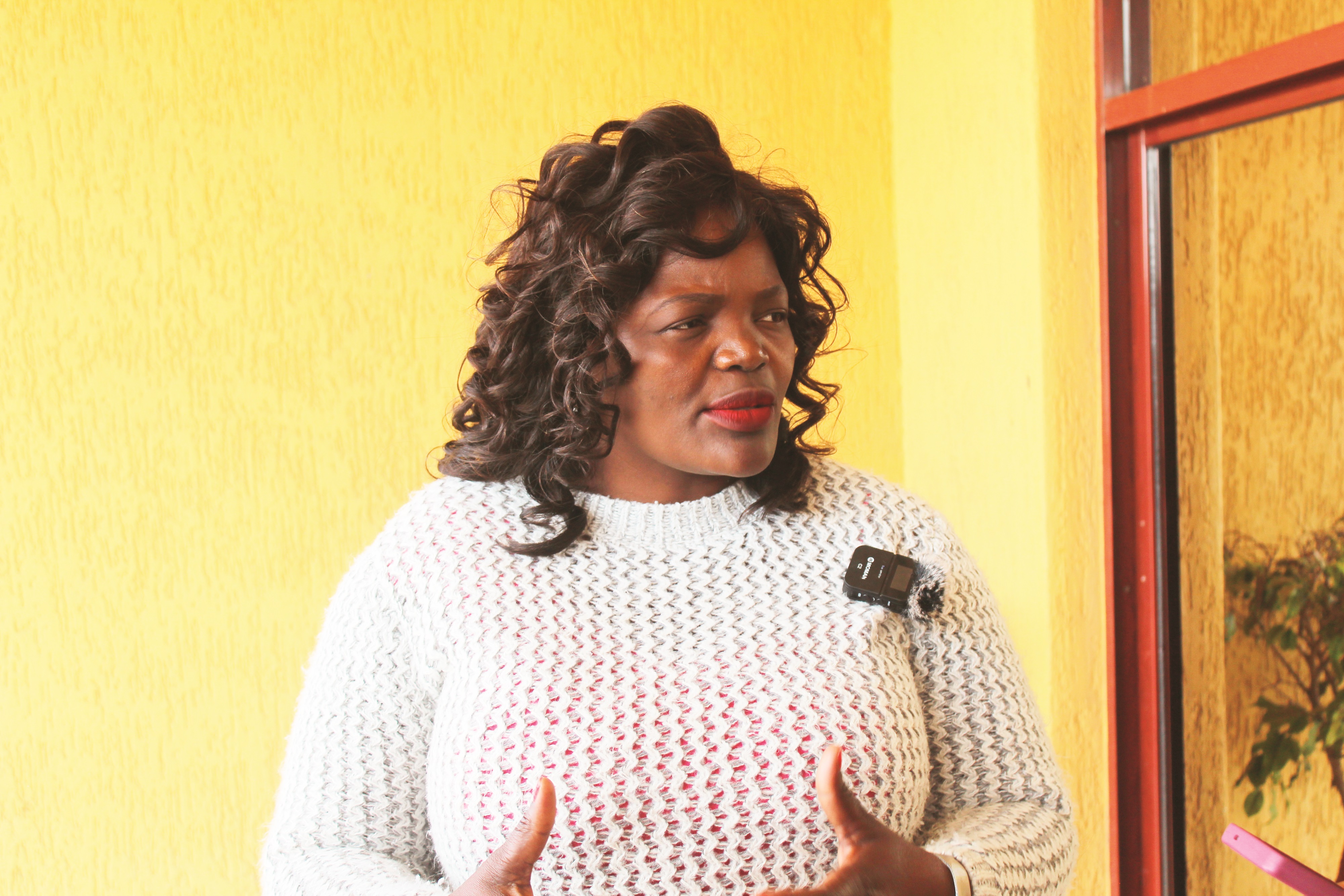
As Government is reviewing the Mines and Minerals Act 2023, women in mining have called on government to put in place measures aimed at increasing women’s participation and access to opportunities in the mining sector.
The call comes as stakeholders are providing views on how the law can better support the sector and address challenges affecting different groups.
In separate interviews with Mining & Trade Review, President of the Federation of Women and Youth in Mining (FWYM),Flore-Annie Kamanga and founder of Zimkole Mining Limited Agness Gausi said women need stronger support and deliberate opportunities to participate meaningfully in mining.
They said the review should go beyond recognising women’s participation and introduce practical measures to help them secure mining rights, obtain financial and technical support, improve mineral processing and compete fairly in the market.
Kamanga; who has been involved in Artisanal and Small-Scale Mining (ASM) since 1996 working on minerals including gold, mica, amethyst, aquamarine and rose quartz; said the amended law should create practical pathways for women and other marginalised groups to participate fully in the sector.
FWYM advocates for women, youth and persons with disabilities to become licensed, productive and empowered participants in mining, with women taking on roles as mine owners, producers, entrepreneurs and partners rather than merely beneficiaries.
Kamanga called for accessible, affordable and transparent licensing processes, saying the law should promote women-led cooperatives, companies and associations while facilitating access to finance, technical assistance, skills and mechanised equipment.
She said mechanisation should be central to the formalisation of ASM because it can improve production, mineral recovery, occupational safety and the economic viability of mining operations.
“We need to move from predominantly labour-intensive and rudimentary mining methods towards appropriate mechanisation and modern processing technologies,” said Kamanga.
She said mechanisation should complement human labour rather than replace workers, arguing that improved equipment can create employment while increasing production and government revenue.
Kamanga also called for support across the entire mining value chain, from exploration and extraction to processing, trade and exports, rather than limiting women to low-value activities.
She said equipment-leasing arrangements, cooperative financing, shared processing facilities and partnerships with investors and financial institutions help women access machinery for excavation, crushing, milling, concentration and mineral processing.
Kamanga called for stronger occupational health and safety measures, environmental protection, fair contracts and effective dispute-resolution mechanisms.
She said the law should also provide safeguards against discrimination and exploitation, establish accessible grievance-reporting mechanisms and ensure that women participate in decision-making and stakeholder consultations.
She said it is important for authorities to collect gender-disaggregated data on the mining sector and recognise the experience of women who have been in mining for years so that they can transfer their knowledge and skills to younger miners.
Kamanga, however, cautioned that formalisation should not unintentionally push miners into illegal operations, saying reforms must be accompanied by access to technology, finance, equipment and markets.
She said the ultimate goal should be to build a legal, productive and inclusive mining sector that contributes meaningfully to national development.
Gausi similarly stressed the need for practical support for women miners, particularly in the areas of equipment, financing and market access.
She said communication and consultation between authorities and miners should be improved, with miners being sensitised and given opportunities to contribute their views before decisions affecting the sector are made.
Gausi said it is important that there are stakeholder consultations and ongoing engagements, but called on the government to ensure that the process translate into practical changes for miners.
She said for instance her company mines sodalite but faces challenges due to inadequate equipment, therefore more specialised expertise and larger machinery are needed to improve production.
Gausi also called for support programmes targeting women miners to include follow-up and long-term assistance, saying some women struggle to sustain their operations after receiving initial support.
She said financial institutions also need to better understand the realities of ASM, as many miners struggle to access loans because they lack conventional collateral and established financial records.
Gausi said licensed miners incur various costs to operate legally but can still struggle to sell their minerals because of illegal mining and trading activities.
She said she spent more than K200 million in a previous year on mining operations but failed to secure a viable market for the minerals, despite employing workers and meeting various payments.
“We cannot compete with smugglers,” said Gausi, calling for the establishment of formal and reliable markets for locally produced minerals.
On value addition, she said the concept needs to be supported by practical infrastructure, processing facilities and technical expertise.
She said her experience in South Africa demonstrated to her the importance of appropriate infrastructure and support systems, while comparing Malawi’s situation with developments in Zambia, Mozambique and Tanzania.
She said Malawi’s landlocked position creates logistical challenges and affects the ability of local miners to compete within the region.
Gausi further called for experienced women miners to be recognised and given opportunities to mentor others, saying she sometimes feels excluded from discussions concerning the sector.
She nevertheless welcomed efforts to engage women in the review process, saying meaningful reforms would depend on translating consultations into actual improvements in mining rights, production, finance, technology and markets.
President of the Malawi Women in Mining Association (MAWIMA), Ashley Simbeye, also called for deliberate measures to promote women’s participation in the mining sector, saying the amended law should simplify and make licensing and formalisation processes affordable and accessible, particularly for grassroots women miners.
Simbeye, an ASM entrepreneur who has been involved in the sector since 2008, said her work focuses on women’s participation, gemstone value addition and capacity building for grassroots women throughout the mineral value addition and supply chain.
She said women continue to face challenges, including limited access to capital, equipment, land, technical knowledge, mining licences, markets and contracts.
Simbeye urged government to strengthen support for women-led mining enterprises, associations and cooperatives while improving access to information and introducing mechanisms that promote equal and transparent access to mining opportunities.
She said women should also have access to finance, technology and opportunities across the entire mineral value chain, rather than being limited to extraction activities.
Simbeye called for clear provisions in the amended Act to promote gender inclusion and equal participation, protect women’s rights and safety at mining sites, and strengthen capacity building, environmental protection and market access.
She said the law should create opportunities for women to participate meaningfully in mineral processing, value addition and trading, emphasising that women should not merely benefit from mining initiatives but become active participants throughout the entire mineral value chain.
Malawi’s mining sector is governed by the Mines and Minerals Act, 2023, which regulates mineral rights, licensing and mining operations.
As the government reviews the law, the process provides an opportunity to address challenges facing artisanal and small-scale miners, including access to finance, modern equipment, technical support and formal markets.
For women miners, the reforms could help expand participation, improve productivity and promote value addition across the mining value chain.
Share this:
Leave a Comment
Comments
Mining & Trade Review News

Agribusiness News
Subscribe to Newsletter
Rehabilitation:
The establishment of a stable and self-sustaining ecosystem, but not necessarily the one that existed before mining began. In many cases, complete restoration may be impossible, but successful remediation, reclamation, and rehabilitation can result in the timely establishment of a functional ecosystem.
Archives
Remediation:
The cleanup of the contaminated area to safe levels by removing or isolating contaminants. At mine sites, remediation often consists of isolating contaminated material in pre-existing tailings storage facilities, capping tailings and waste rock stockpiles with clean topsoil, and collecting and treating any contaminated mine water if necessary.
Stakeholders Logos